Home EV Charger in Pakistan: Wallbox vs Portable, Cost and Installation
Most EV owners in Pakistan will do almost all of their charging at home, overnight. Getting the home setup right is therefore more important than any public charger. This guide compares portable chargers and wallboxes, explains what your electrician needs to check, and gives realistic cost ranges.
Option 1: Portable charger from a wall socket
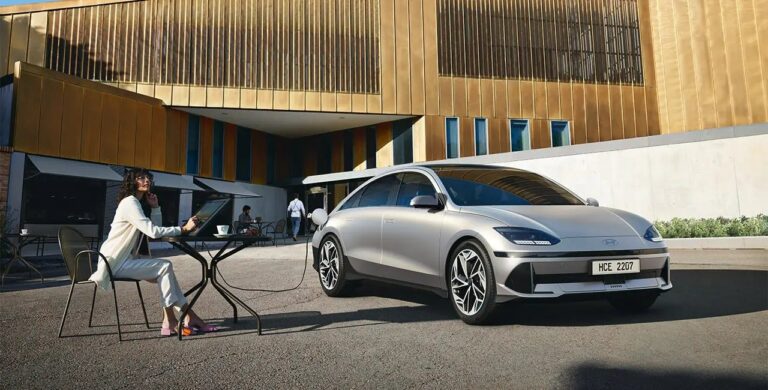
Many EVs come with a portable charging cable (sometimes called a “granny charger”) that plugs into a standard socket. It is slow, typically 2–3 kW, adding only a few kilometres of range per hour, but it may be enough if you drive short distances and can charge every night.
- Use a dedicated, properly earthed circuit and socket rated for continuous load.
- Never use extension leads or multi-plug adapters.
- Check the socket and plug for heat after the first few sessions.
Option 2: AC wallbox (7 kW or more)
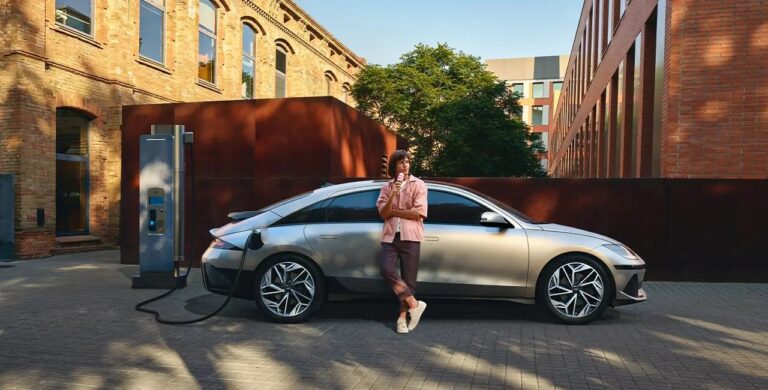
A wall-mounted charger (wallbox) is the most common home setup. A 7 kW single-phase wallbox can typically take a mid-size EV from 20% to 80% overnight. Three-phase 11 kW units are faster, but only if your supply is three-phase and your car’s onboard charger accepts that power.
| Car (battery) | 20–80% at 7 kW, illustrative |
|---|---|
| MG Binguo EV (31.9 kWh) | about 3.1 hours |
| BYD Atto 3 (49.92 kWh) | about 4.9 hours |
| Deepal S07 (66.8 kWh) | about 6.5 hours |
| Hyundai IONIQ 5 (84 kWh) | about 8.2 hours |
| Kia EV9 (99.8 kWh) | about 9.7 hours |
Estimates use 0.6 × battery kWh ÷ 7 kW ÷ 0.88 (12% charging loss) and ignore taper and temperature. The car’s onboard charger may limit the real rate.
How much does a home EV charger cost?
Local suppliers commonly quote around PKR 30,000–60,000 for a basic 7 kW Type 2 wallbox, with branded smart units costing more. Installation is extra and depends heavily on your house: cable run length, breaker upgrades, earthing and whether your meter or supply needs upgrading. Get a written quote after a site visit. Some distributors include a wallbox with the car for a limited time, for example the offer listed by Deepal; confirm with the dealer.
What your electrician must check
- Sanctioned load and meter capacity. A 7 kW charger is a large continuous load. Your connection may need a load extension from your DISCO.
- Cable size and route from the distribution board to the charger.
- Protection: a dedicated breaker and residual-current protection suitable for EV charging.
- Earthing: a proper earth is essential for safety and many chargers will not start without it.
- Location: mount the wallbox where rain and standing water cannot reach it.
Smart features worth having
- Scheduling, so you can charge during off-peak hours if your tariff has them.
- Adjustable current, useful if your supply is limited.
- Energy metering, so you know exactly what charging costs you.
Charging with load-shedding and backup power
Charging through a UPS or small inverter is usually impractical because of the power involved. If you have rooftop solar, daytime charging can make excellent use of it; we cover this in a separate guide. For running-cost maths, see EV charging and running cost in Pakistan.
Frequently asked questions
Can I charge an EV from a normal socket in Pakistan?
Yes, with the portable cable supplied with many EVs, if the socket and circuit are properly rated and earthed. It is slow, adding only a few kilometres per hour.
How much does a 7 kW EV charger cost in Pakistan?
Basic 7 kW wallboxes are commonly quoted around PKR 30,000–60,000 before installation. Installation cost depends on your wiring and supply.
Do I need three-phase power for a home EV charger?
No. A 7 kW single-phase wallbox suits most homes. Three-phase is needed only for faster 11 kW or 22 kW AC charging, and only if the car supports it.